
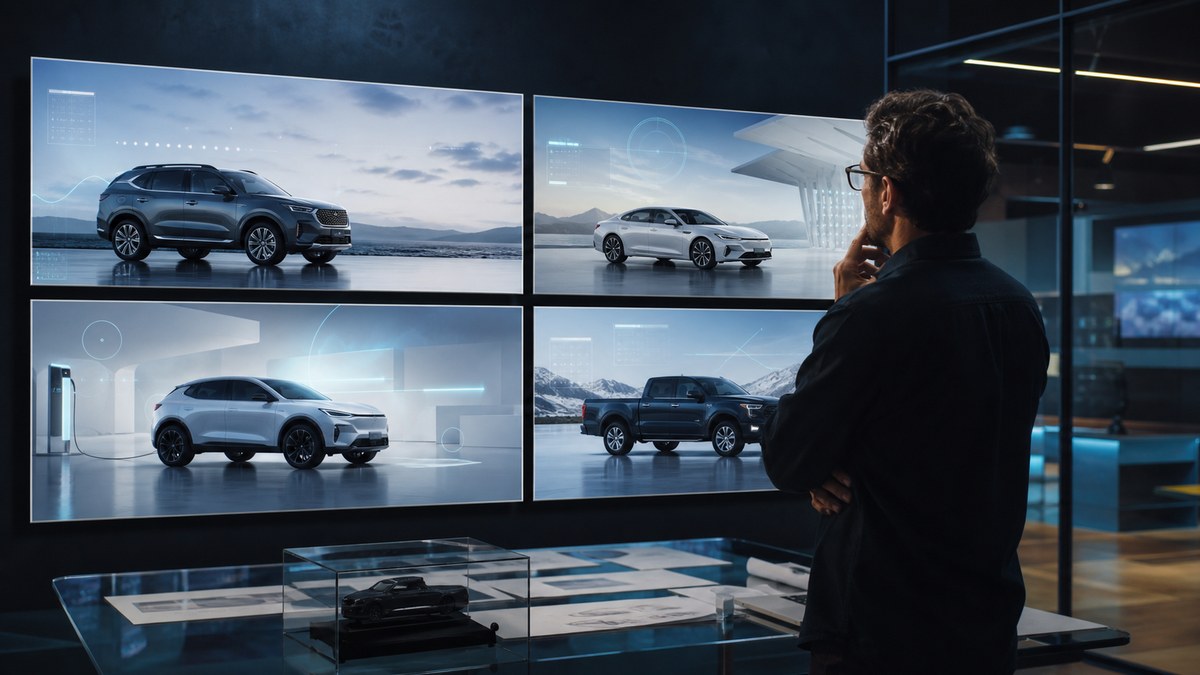
Not long ago, a sharp-looking TV or video ad took real money, a production crew, and a lot of patience. Most dealers couldn’t pull that off at scale, so the ones who could stood out. That advantage has mostly faded, and now the polish anyone can produce in minutes is quietly working against you.
- AI creative tools give every dealer in your market the same slick output, so ads start looking interchangeable.
- Performance ads win the click, but brand recognition wins the buyer before they ever start shopping.
- Local specificity, fresh creative, and real inventory are the parts competitors can’t copy overnight.
Over the past two years, the big ad platforms have built AI straight into their systems. Video, social, and display creative that once needed a team now takes a few clicks. The Interactive Advertising Bureau found that 83% of ad executives say their companies have put AI into the creative process, up from 60% the year before. On top of that, 86% of media buyers are using or planning to use generative AI to build video ad creative. For dealers, the cost and hassle of making an ad has basically vanished. That’s good news. It’s also where the trouble starts.
When Everyone Pulls From the Same Toolbox
Efficiency at scale tends to breed sameness. When dealers across one market feed the same AI tools and chase the same performance signals, the ads converge. Clean, professional, and nearly identical. You end up with a spot that could belong to any store in any town. What these tools don’t do is make you distinct, because that was never their job.
Performance creative reaches people who are already searching and comparing. It captures demand that exists. What it can’t do is plant your name in someone’s head weeks before they start looking. Plenty of buyers don’t kick off a purchase with a search. They start with impressions built from ads they half-remember, a name they’ve heard enough times to trust, a dealer they tie to their own town. By the time they’re ready to sign, a big chunk of the preference is already locked in.
Feed the Automation Something Only You Have
Keep the AI performance layer running. It handles targeting and optimization better than most in-house teams could by hand. But automation needs inputs, and generic inputs give you generic results. So point it at what’s actually true about your store. The units sitting on your lot today at this week’s prices. The salesperson a repeat customer already knows by name. A shopper weighing a used Toyota Camry wants to know what you have right now and what it costs, not a promotion that’s been running untouched since spring. That real material already exists. The automation just needs somewhere honest to aim.
Reaching people before they’re in-market matters too. Connected TV, streaming audio, and video reach folks while they’re relaxing, not shopping. Running creative there puts your name in front of buyers who aren’t comparing anyone yet. Think of it this way: performance media converts demand that’s already there, and brand media builds the demand you’ll cash in later. A dealer doing both is playing the longer game.
Sound Like You Actually Live Here
There’s a lazy version of local advertising that drops the city name into a script and calls it community connection. Buyers see through that fast. What lands is proof you know the market, shown in what you say rather than a tagline. Maybe that’s speaking to where trade-in values sit in your region, nodding to a local event, or referencing something specific about the town you serve. Try a simple test. Could this ad be lifted and dropped into a campaign two states away with no changes? If yes, it isn’t building your brand.
One more habit worth breaking. Don’t set the creative and forget it. AI makes new content so cheap that campaigns tend to run long past the point of doing anything. An audience that’s seen the same spot a dozen times stops seeing it, and fatigue hits faster when every competitor is churning out similar work. Rotate your creative every six to eight weeks, then watch what shifts. Call volume, site visits, and showroom traffic in the following weeks tell you plenty. You don’t need a full reinvention either, just new angles, talking points, and offers.
What Familiarity Buys You
AI creative will keep getting faster, cheaper, and better, and every dealer in every market will have it. What doesn’t scale on its own is recognition. A buyer who already knows your name, trusts it, and ties it to something specific doesn’t need the hard sell a cold prospect does. That trust gets built slowly, through ads that say something real, and it’s about the only piece of this a rival can’t copy by next week. Keep the automation. Just make sure the part only you can offer is riding on top of it.
This post may contain affiliate links. Meaning a commission is given should you decide to make a purchase through these links, at no cost to you. All products shown are researched and tested to give an accurate review for you.