Walk into any dealership and you’ll face the same question every SUV shopper wrestles with: Do I go compact or midsize? Both categories are packed with capable, feature-rich vehicles, but the right choice depends entirely on how you actually live. Your daily commute, weekend adventures, family size, and cargo needs all point toward different answers.
- Most compact SUVs can comfortably seat up to five passengers and have enough cargo space for weekend trips or hefty grocery hauls.
- Midsize SUVs take the best parts of their compact counterparts and add even more cargo space and more room for passengers to spread out.
- Most buyers find their needs are met by either a compact SUV or a midsize three-row crossover.
Family Size and Passenger Comfort
This is where the compact vs midsize SUV debate gets real. While small and fuel-efficient, compact SUVs typically have enough seating and cargo space to accommodate a small family. For couples or families with one or two kids, a compact like the Honda CR-V, Toyota RAV4, or Hyundai Tucson will serve you well.
But once you add a third child, aging parents who need rides, or kids who bring friends everywhere, the math changes. Mid-size SUVs typically provide additional cargo space and a more comfortable interior environment for passengers, and full-size SUVs are better for large family transport. Three-row midsize SUVs like the Kia Telluride, Hyundai Palisade, and Honda Pilot can accommodate six to eight people.
The Telluride, for example, offers sleek design, competitive pricing, and a spacious cabin with 21.0 cubic feet of cargo space behind the third row, 46.0 behind the second, and 87.0 with both rows down. That flexibility handles everything from school pickups to camping trips.
Cargo Space for Real Life
Think about what you actually haul on a weekly basis. Groceries and gym bags? Compact SUVs have you covered. The Hyundai Tucson is one of the most well-rounded compact SUVs on the market.
The Kia Sportage Hybrid offers 73.7 cubic feet of cargo space with the rear seats folded or 39.5 cubes with them up. That’s plenty for most families running errands or heading to the hardware store.
At the midsize level, you’ll also start to see more engine power, sometimes even a V6 engine, and extra towing strength for small toys and trailers. If you’re regularly loading bikes, camping gear, strollers, or sports equipment, that extra space pays off. The rugged and roomy Honda Passport offers a great mix of utility, style and practicality, and will appeal to families and adventurers alike with its large back seat and huge cargo area.
Commuting and Fuel Economy
For daily commuters, compact SUVs hold a clear advantage. Thanks to their size and their often small and efficient engines, compact SUVs tend to achieve impressive fuel economy relative to larger SUV types.
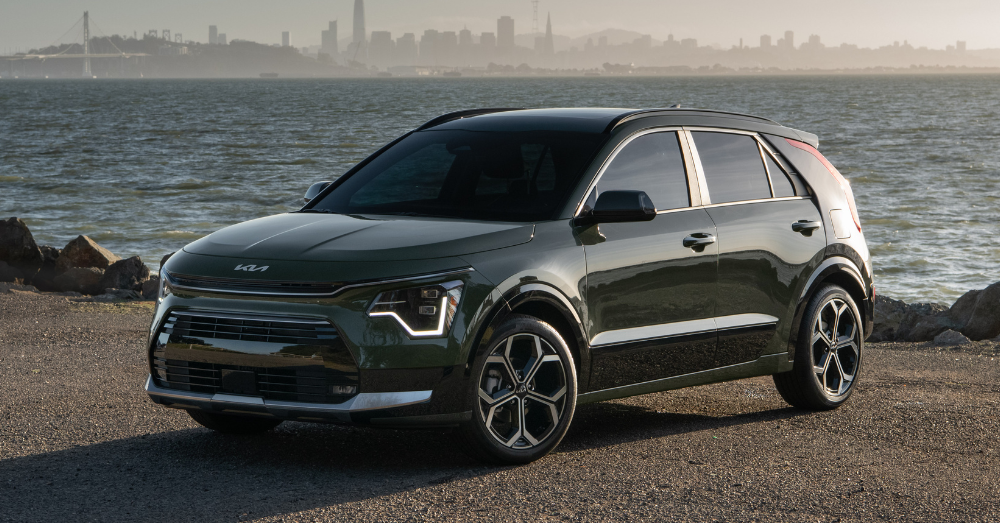
The 2025 Kia Niro gets the best gas mileage of any SUV, with LX, EX and SX models achieving a fuel-sipping 53 mpg combined. The base 2026 Nissan Rogue is the most fuel-efficient model among compact SUVs, getting 27-29 MPG city and 32-36 MPG on the highway.
The 2026 Ford Escape Hybrid puts out a 40 mpg combined rating that makes it a smart pick for families and commuters alike. If you’re putting 15,000 or more miles on your vehicle each year, those efficiency gains add up fast.
Midsize SUVs aren’t gas guzzlers anymore, but they can’t quite match their smaller siblings. Many midsizers use a V6 engine to provide extra power and torque, although turbocharged four-cylinder engines are increasingly common.
Road Trips and Long Drives
This is where midsize SUVs really shine. Today’s midsize SUVs slot neatly between compact and full-size options, giving many families exactly what they need without going overboard. The extra passenger room means everyone stays comfortable on eight-hour drives.
The Mazda CX-70 offers 41.7 inches of front legroom and 39.4 inches in the rear, making it a great option for longer drives. Its roomy cabin and massive cargo area are lifesavers on family road trips.
Compact SUVs can absolutely handle road trips, but rear passengers might start complaining after a few hundred miles. Compact SUVs tend to offer a high seating position, which provides a vast view of the road in addition to an easier step-in height than smaller cars or larger SUVs.
Budget and Value Considerations
Compact SUVs are relatively inexpensive when compared with larger SUV options. You’ll typically save several thousand dollars on the purchase price, plus ongoing savings on fuel, insurance, and maintenance.
The best midsize SUV is the 2025 Kia Telluride, with an overall score of 9.5 out of 10. It’s a spacious, upscale SUV that’s packed with features, and the Kia’s few flaws are outshined by its positive traits.
Matching Your SUV to Your Lifestyle
There’s no universal right answer here. A single professional with a city apartment will have vastly different needs than a family of five living in the suburbs. Be honest about how you’ll use the vehicle 90% of the time, not just that one annual camping trip.
If you’re on the fence, test drive both sizes back-to-back. Park them in your garage, load up your typical cargo, and see how your family fits. The right choice will feel obvious once you experience it firsthand.
This post may contain affiliate links. Meaning a commission is given should you decide to make a purchase through these links, at no cost to you. All products shown are researched and tested to give an accurate review for you.