You’ve probably heard both sides by now. Your neighbor swears by their Tesla and hasn’t touched a gas station in months. Your coworker loves their hybrid and never worries about finding a charger. So which one makes sense for you? The answer depends on how you actually drive, where you live, and what happens when things break down.
- EVs save around 70% on fuel costs compared to gas cars, while hybrids save about 55%, but EVs have higher upfront prices that federal tax credits can offset.
- Hybrids work anywhere without charging concerns, while EVs need either home charging or reliable public stations to make daily life work.
- When repairs happen, finding qualified technicians gets tricky since many mechanics haven’t received EV training yet, which can leave you hunting for service.
What You’ll Actually Spend
The average EV sticker price sits around $55,000, while hybrids come in closer to $42,500. That gap feels big until you factor in the federal tax credit, which knocks up to $7,500 off a new EV purchase through September 2025. Some states throw in extra incentives too.
Running costs tell a different story. Charging an EV at home costs roughly $485 per year, compared to spending over $1,100 on gas for a similar car. Hybrids land somewhere in the middle, burning less fuel than traditional cars but still needing regular fill-ups. Over ten years of ownership, EVs can work out cheaper, but only if you drive enough miles and have access to home charging.
Maintenance is where EVs really shine. No oil changes, no spark plugs, no exhaust system repairs. You’re looking at $400 to $1,000 less per year compared to gas-powered vehicles. Hybrids don’t get this benefit since they still have a traditional engine needing all the usual attention.
The Charging Question
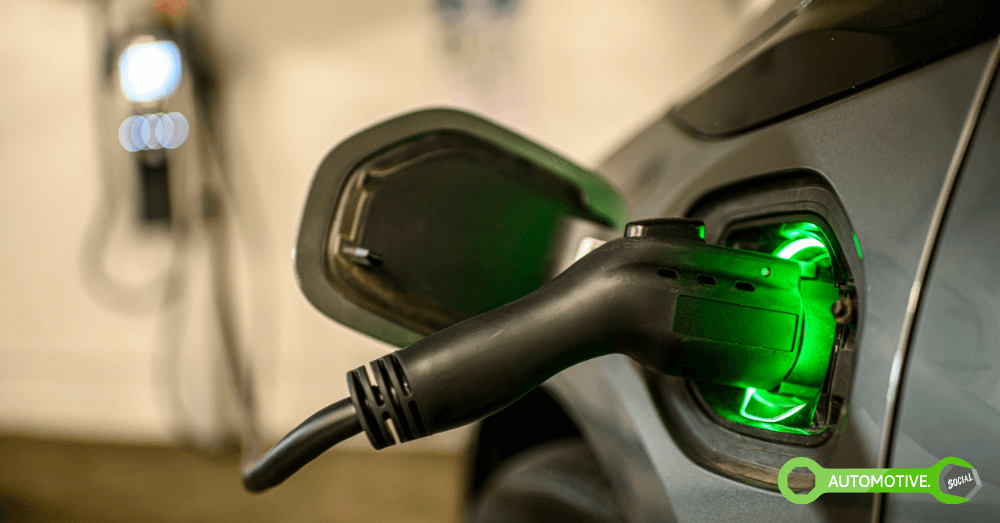
If you can plug in at home overnight, EV ownership feels effortless. You wake up every morning with a full battery. No detours to gas stations, ever. Installing a Level 2 home charger runs about $1,200 to $2,000, but it pays off quickly in convenience.
Without home charging, things get complicated. Public charging stations are spreading fast, but you’ll need to plan routes differently. DC fast charging can juice up your battery to 80% in 30 minutes, perfect for road trips. But if you’re apartment hunting or renting, getting landlord approval for a charger can be a real headache.
Hybrids sidestep all of this. Pull into any gas station, fill up in five minutes, and go. The electric motor helps with city driving, and regenerative braking saves fuel every time you slow down. For folks doing long commutes or living in areas with spotty charging networks, hybrids remove the guesswork.
When Something Goes Wrong
This part catches people off guard. EV batteries are built to last 10 to 20 years, and most come with warranties covering at least 8 years or 100,000 miles. Battery replacement costs have dropped dramatically, currently ranging from $6,500 to $20,000 depending on the model. The good news? Only about 2.5% of EVs ever need battery replacements.
The real challenge is finding someone who knows how to fix them. Your neighborhood Auto Repair Shop might not have technicians trained on high-voltage systems yet. Training programs exist, but they’re still catching up to demand. Tesla has its own service network, which helps, but other brands often send you to dealerships for anything beyond basic work.
Hybrids face different issues. They have twice the moving parts with both a gas engine and an electric motor. When something goes wrong, repair bills can surprise you. Battery packs in hybrids actually cost about 40% more per kilowatt-hour than EV batteries. Toyota and Lexus have the most reliable hybrid systems if you go this route.
Range and Daily Driving
Most Americans drive fewer than 40 miles per day. Even entry-level EVs offer 200 miles of range on a full charge, which covers several days of typical use. Range anxiety is mostly mental, not a real limitation for daily commuting.
Road trips change the equation. Hybrids can drive 400 miles without stopping, while EVs need charging breaks every 200 to 300 miles. Some people enjoy the forced rest stops. Others find them annoying. Your tolerance for planning ahead matters here.
What Works for You
Go EV if you have home charging, drive predictable routes, and want the lowest operating costs. The instant torque and smooth acceleration are bonuses that make every drive feel quick and quiet.
Pick a hybrid if you need flexibility, take frequent road trips, or don’t have charging options where you live. You’ll still save money on gas compared to regular cars, and you won’t stress about finding charging stations.
Either choice beats sticking with pure gas. The savings add up, and both options produce fewer emissions over their lifetime. Just match the technology to how you actually live.
This post may contain affiliate links. Meaning a commission is given should you decide to make a purchase through these links, at no cost to you. All products shown are researched and tested to give an accurate review for you.