
Shopping for a used Honda Civic feels like navigating a minefield sometimes. With over 50 years of production, you’ve got tons of model years to choose from, but some will serve you well while others turn into expensive headaches. After working on these cars for years and hearing countless owner stories, I can tell you which generations keep running and which ones drain your bank account.
- Skip the 2001-2005 models completely – These have expensive transmission problems that’ll cost you thousands
- The 2009-2011 cars are solid gold – Proven engines, good build quality, and reasonable prices on the used market
- 2016-2020 models work well if you know what to look for – Great technology and space, but watch out for specific engine and AC issues
The Years That Actually Go the Distance
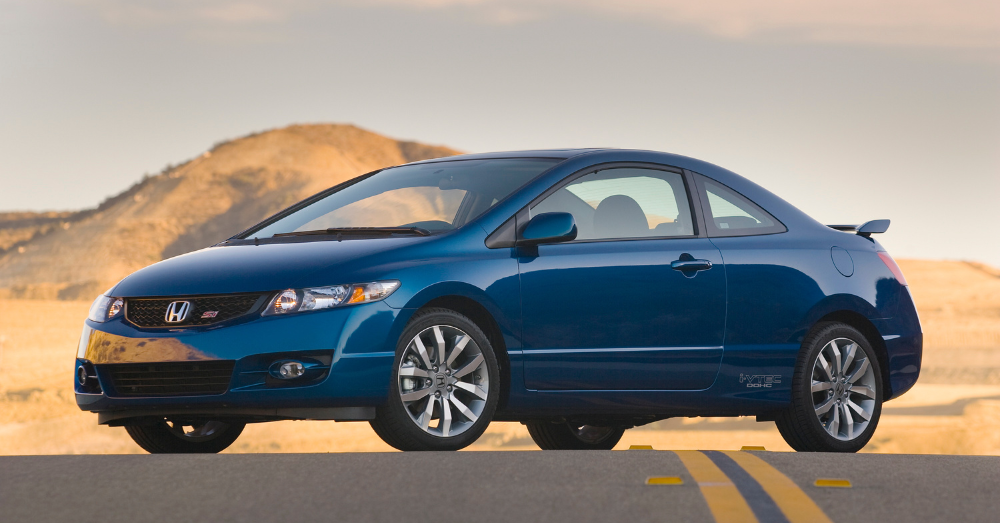
Everyone always says Hondas run forever, but that’s not true for every Civic. The 2009-2011 models actually back up that claim though. These eighth-generation cars pack that rock-solid 1.8-liter engine that seems designed to hit 300,000 miles without complaining. I’ve watched these cars roll through my shop with quarter-million miles still running like the day they left the factory.
These years work so well because Honda had sorted out the bugs from earlier attempts while keeping things simple. The automatic transmissions shift smoothly, the engines don’t suffer from timing chain stretch, and when you close the doors they sound substantial. You can still find good examples under $15,000, which makes them fantastic value.
Don’t overlook the 1999-2000 fifth-generation models either. These cars show Honda at peak reliability, built before cost-cutting and electronic complexity took over. They’re getting up there in age now, but find a clean one and it’ll probably run longer than cars built 15 years later.
Buyers wanting current features should look at the 2016-2020 tenth-generation cars. These feel way roomier than older Civics, and the infotainment system actually makes sense. Just know which engine to pick and what issues to expect.
The Years That Will Empty Your Wallet
Now let’s talk about the 2001-2005 seventh-generation cars. These might look like bargains on the lot, but they’re financial disasters waiting to happen. The automatic transmissions fail so predictably that you should budget for a $3,000+ rebuild right from day one.
The 2001 model year takes the crown for worst Civic ever made. This car got recalled 27 times. Twenty-seven! Everything from fuel pumps that quit working to airbags that could explode in your face. I’ve seen people spend more money fixing a 2001 Civic than they paid for the car.
Don’t think the problems magically disappeared in 2002 or 2003 either. Those years have the same transmission issues, plus they got caught up in the massive Takata airbag recall that affected millions of cars. Even if you find one that seems fine, you’re rolling the dice on when that transmission will give up.
The 2006-2008 models bring their own special brand of misery with cracked engine blocks. Honda eventually had to settle a class-action lawsuit over this issue. Imagine driving down the highway and suddenly your engine starts overheating because coolant is leaking everywhere. That’s the reality with many of these cars.
What You Need to Know About the 2016-2020 Generation
These newer Civics actually work pretty well, but they’re not perfect. The biggest issue affects cars with the 1.5-liter turbocharged engine. In cold weather, especially if you mostly drive short distances, gas can get mixed into the engine oil. This makes the oil level rise and creates a strong gasoline smell inside the car.
Sounds scary, right? Here’s the reality – Honda released software updates to help the engine warm up faster, and most people don’t have serious problems if they change their oil more often. If you live somewhere warm or mostly drive longer distances, this isn’t likely to affect you much.
The bigger headache with these cars is the air conditioning. Way too many owners end up paying over $1,000 to fix AC systems that quit working after just a few years. The compressors fail, the condensers crack, and sometimes the whole system needs replacement.
Other annoying issues include paint that scratches if you look at it wrong, rubber trim pieces that fall off, and various rattles and squeaks. None of these will leave you stranded, but they remind you that Honda’s build quality isn’t what it used to be.
The Turbo vs Non-Turbo Decision
If you’re looking at 2016-2020 models, you’ll find two engine options. The 1.5-liter turbo gets better gas mileage and feels quicker, but it’s the one with the oil dilution issue. The 2.0-liter naturally aspirated engine avoids that problem entirely, though it’s a bit slower and uses more gas.
Personally, I’d lean toward the 2.0-liter engine if reliability is your top priority. It’s simple, proven, and doesn’t have the complexity of the turbo system. You’ll give up some fuel economy, but you’ll sleep better at night.
CVT Transmissions – Better Than You Think
Honda’s CVT (continuously variable transmission) used to be terrible. The early versions in the mid-2000s were so bad that many cars needed transmission replacements before 60,000 miles. But Honda learned from those mistakes.
The CVTs in 2014 and newer Civics are actually pretty reliable. I know owners who’ve put over 200,000 miles on these transmissions without major problems. The key is changing the transmission fluid every 30,000 miles instead of following Honda’s longer service intervals.
If you’re still nervous about CVTs, look for models with manual transmissions. The six-speed manual in recent Civics feels great and should last as long as you want to keep the car.
Smart Shopping by Budget
If you’ve got **$10,000 to $15,000** to spend, focus on 2010-2011 models with the 1.8-liter engine. These cars hit the sweet spot of reliability and modern features without the complexity of newer models.
With **$15,000 to $22,000**, you can get into a 2017-2019 model. Look for ones with the 2.0-liter engine if you want to avoid turbo concerns, or get the 1.5-liter turbo if you prioritize fuel economy and don’t mind more frequent oil changes.
For **$22,000 and up**, consider 2020-2021 models that got mid-cycle updates addressing some early tenth-generation problems. These cars offer the best of Honda’s current technology with fewer of the initial bugs.
Your Pre-Purchase Inspection Checklist
No matter which year you’re considering, always check these things before buying:
Start the engine and let it warm up. Check the oil level and smell it. If it smells like gasoline, walk away. Look at the transmission fluid too – it should be clean and red, not dark and burnt smelling.
Test the air conditioning on max cold. If it’s not blowing ice-cold air, factor in a potential $1,000+ repair bill. Drive the car in stop-and-go traffic to see how the transmission behaves. Any harsh shifting or slipping means trouble.
Ask about timing belt replacement if you’re looking at older models. This maintenance costs $500-800 but prevents thousands in engine damage if the belt breaks.
Finally, run the VIN through NHTSA’s recall database. Make sure all recalls have been completed, especially the Takata airbag recall that affected millions of Hondas.
The Bottom Line on Civic Reliability
A good Honda Civic can easily run 200,000+ miles without major problems, but picking the right year makes all the difference. Stick with 2009-2011 if you want maximum reliability for minimum money. Consider 2016-2020 if you need modern features and don’t mind dealing with some quirks.
Whatever you do, avoid those 2001-2005 models. I don’t care how good the deal looks – those cars will cost you more in repairs than you’ll save upfront. Trust me, I’ve seen too many people learn this lesson the hard way.
The Honda Civic buying guide comes down to knowing which years deliver on Honda’s reputation for reliability and which ones tarnish it. Do your homework, inspect carefully, and you’ll find a car that serves you well for years to come.
This post may contain affiliate links. Meaning a commission is given should you decide to make a purchase through these links, at no cost to you. All products shown are researched and tested to give an accurate review for you.